
Chandigarh, December 13, 2025
The World Bank has sanctioned approximately ₹2,750 crore to aid clean air initiatives in Haryana and Uttar Pradesh, representing a significant advancement in tackling a critical environmental issue in North India.
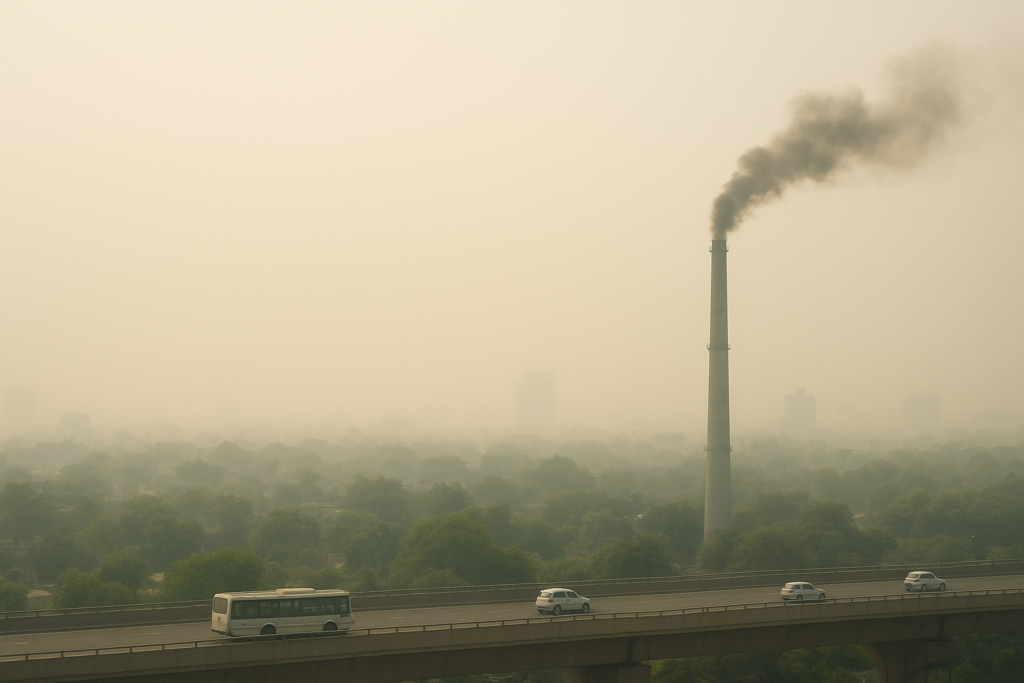
This funding is part of a broader initiative aimed at decreasing air pollution throughout the Indo-Gangetic Plains, an area that regularly experiences some of the poorest air quality in the country.
This represents one of the largest investments to date aimed at enhancing air quality in northern India, where smog and pollution have a considerable impact on health and daily living.
The initiative comprises a ₹2,705 crore loan from the International Bank for Reconstruction and Development (IBRD) along with a ₹45 crore grant from the South Asia Regional Integration Multi-Donor Trust Fund.
As per the World Bank, the initiatives are anticipated to benefit around 270 million individuals residing in these two states.
“Air pollution is causing severe health impacts, loss of productivity and reduced quality of life across South Asia,” said Paul Procee, Acting Country Director, World Bank India. “These operations in Haryana and Uttar Pradesh represent the first airshed-based, multi-sectoral programs undertaken by state governments in India to tackle the complex challenge of reducing air pollution. The programs will also demonstrate how air quality initiatives can increase productivity and create green jobs, especially for youth and women.”
A Change in the Approach to Addressing Air Pollution
Rather than concentrating solely on specific cities, the new initiatives adopt a regional perspective, acknowledging that air pollution transcends state and city boundaries. Haryana and Uttar Pradesh will collaborate on unified strategies that examine pollution sources in transport, industries, agriculture, and urban development.
This strategy is designed to achieve sustainable outcomes instead of merely providing temporary solutions.
Key Components of the Programs :
Haryana Clean Air Project
In Haryana, the initiative aims to enhance institutional air quality management while fostering sustainable investments, which includes:
- The growth of air quality monitoring systems.
- Promoting clean transportation options such as electric buses and e-rickshaws in urban areas like Gurugram, Sonipat, and Faridabad.
- Assistance for small and medium enterprises (MSMEs) in adopting cleaner technologies.
- Programs designed to aid farmers in managing agricultural waste and minimizing pollution spikes during certain seasons.
Clean Air Management in Uttar Pradesh
The UP Clean Air Management Program aims to enhance the state’s current air quality strategy by promoting cleaner transportation, farming methods, and industrial processes. This initiative encompasses:
- Incorporating numerous electric buses into public transportation systems.
- Advocating for electric three-wheelers to take the place of outdated, polluting vehicles.
- Facilitating the use of cleaner fuels and enhancing vehicle regulations.
- Promoting agricultural methods that minimize the burning of crop residues.
Health, Jobs, and Long-Term Impact
The World Bank has consistently emphasized that air pollution is not only an environmental challenge but also a significant public health and economic issue. Deteriorating air quality results in major health complications, decreased productivity, and increasing healthcare expenses.
In addition to pollution management, these initiatives aim to generate green employment opportunities and promote environmentally friendly business practices, assisting local economies in shifting toward more sustainable development.
Part of a Larger Regional Plan
The initiatives in Haryana and Uttar Pradesh are components of a larger regional strategy aimed at improving air quality in northern India. These programs also receive support from international partners, including European governments, underscoring global collaboration in addressing air pollution.
The approval of this funding enables both states to transition from planning to implementation—an essential move towards achieving cleaner air and healthier communities.
“Improving air quality is no longer optional—it’s essential for public health and sustainable growth.”
The two initiatives are components of the World Bank’s Regional Air Quality Management Program aimed at addressing the Indo-Gangetic Plains and Himalayan Foothills (IGP-HF), which is recognized as a global hotspot for air pollution. Additionally, these programs will be supported by grants from the World Bank’s Resilient Asia Program, which is financed by the United Kingdom’s Foreign, Commonwealth and Development Office and the Swiss Government’s Agency for Development and Cooperation, alongside contributions from the multi-donor Energy Sector Management Assessment Program.
The Uttar Pradesh initiative has a total maturity period of 10 years, which includes a grace period of two years, while the Haryana initiative has a total maturity period of 23.5 years, incorporating a grace period of six years.
For more content and updates, visit our YouTube channel:
InfraTalks
Do Visit our Home page for more such articles