
6 January, 2026
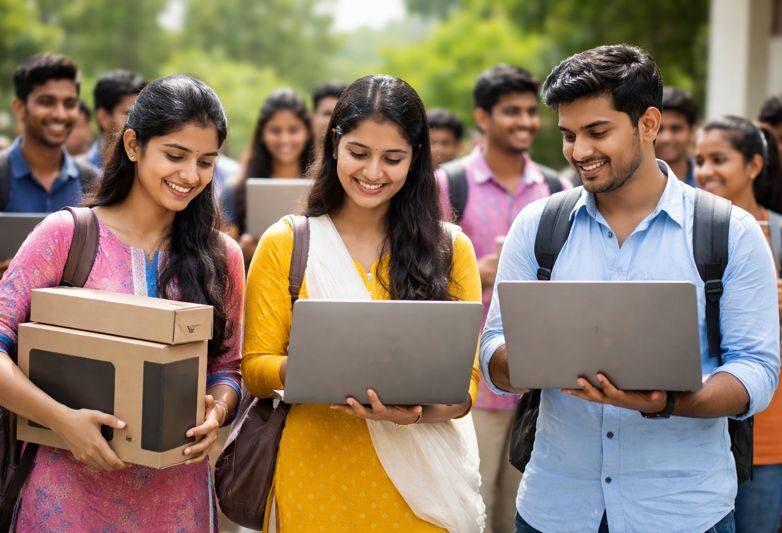
Yogesh Sharma- In a significant decision aimed at transforming higher education, the Tamil Nadu government, led by Chief Minister M. K. Stalin, has approved a plan to distribute free laptops to nearly 2 million college students across the state. Announced as part of the government’s broader digital inclusion and student welfare agenda, this initiative aims to ensure that every deserving college learner has access to the technology required for today’s academic environment. With classes, assignments, and research increasingly relying on digital tools, this new policy underscores the state’s commitment to equipping students for success in a rapidly changing world.
The decision directly addresses the digital divide that exists between urban and rural learners, as well as among students from different economic backgrounds. For many students who cannot afford personal computing devices, this initiative will provide them with uninterrupted access to online lectures, e-books, educational apps, and virtual labs. Additionally, having a personal laptop will empower students to explore online certification courses, prepare for competitive exams, and enhance their digital literacy—skills that are now essential in job markets worldwide.
Who Benefits and Why It Matters
- The program will benefit approximately 2 million college students, focusing on those from low-income families and rural areas.
- The government’s investment aims to lessen educational inequality and increase access to digital learning.
- By using laptops, students are better prepared to develop skills needed for the future and effectively use online academic platforms..
The broader impact of this policy is expected to reach beyond just the classroom. By making technology more accessible, the initiative helps students build portfolios, participate in research, and connect with global knowledge networks. Employers are increasingly looking for graduates who are digitally skilled, and early access to devices can greatly enhance students’ job prospects. Both economists and educators view these student-centered programs as catalysts for workforce development, innovation, and inclusive growth.
Access to technology today, opportunities for tomorrow.
To read more such Latest News
visit our Homepage
Do Subscribe to our Youtube Channel InfraTalks