
December 20, 2025
Yogesh Sharma
“India is no longer catching up with the world — it is shaping the future of the global economy.”
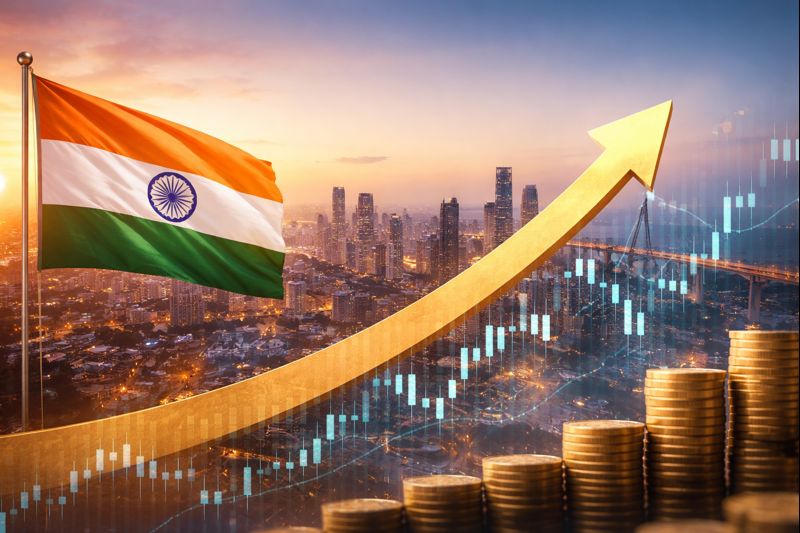
Union Minister Jyotiraditya Scindia has voiced optimism that India will overcome Germany to become the world’s third-largest economy by 2027, a significant milestone in the country’s economic transition. Speaking at a public event in Indore, Scindia stated that India’s quick surge in global rankings is the result of years of structural changes, consistent policies, and increased economic confidence.
He emphasized that India had already made a stunning leap on the global stage, rising from the tenth to the fourth largest economy in less than ten years. By surpassing Japan, India is just one step away from joining the top three, trailing only the United States and China.
What Scindia Said
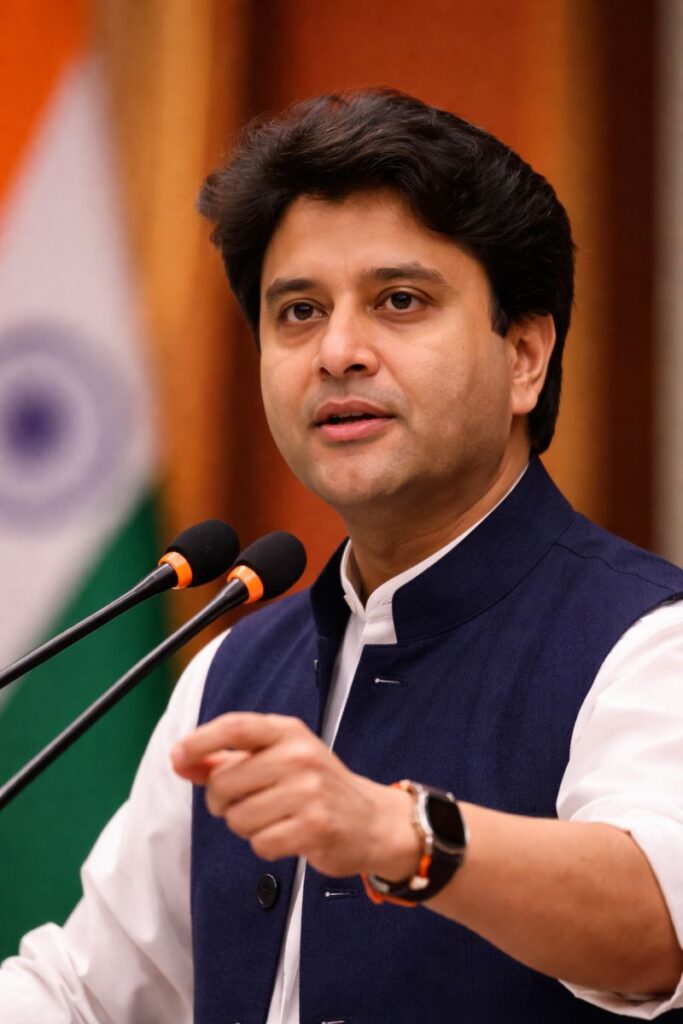
According to the minister, India’s economic growth is the outcome of long-term governance reforms, not short-term actions. He said that the country’s GDP has increased from roughly $2 trillion to more over $4 trillion, thanks to robust domestic demand, stronger infrastructure, and an increasing services and manufacturing base.
Scindia also mentioned India’s historical status as a great economic power, claiming that the current boom era marks a return to global prominence through modern institutions and policies. He stated that the administration is actively striving to repeal archaic, colonial-era legislation that impede efficiency, with a heavy emphasis on ease of doing business and stakeholder participation.
Why the 2027 Target Matters
Economists believe that if current growth rates continue, India’s nominal GDP will overtake Germany’s within the next few years. This move would reflect broader changes in the global economic order, in which developing economies, particularly India, are playing an increasingly important role in fueling global growth.
India’s young workforce, growing digital economy, increased investment, and big consumer market are largely regarded as important drivers of this trend.
While the forecast is positive, experts warn that economic projections are dependent on a variety of factors, including global market conditions, currency fluctuations, and geopolitical developments. Continued reform, fiscal restraint, and investment will be critical for India to meet the target within the timeframe specified.
What This Would Mean
If India overtakes Germany:
- It will become the third-largest economy in the world in nominal GDP terms, behind only the United States and China.
- This shift reflects structural changes in the global economy, with India’s large and youthful population, rapid urbanization, strong services sector, and increasing manufacturing capacity driving growth.
The Bigger Picture
Scindia’s remarks reflect the government’s broader narrative of India emerging as a major global economic force. While projections depend on global conditions such as inflation, exchange rates, and geopolitical stability, the overall outlook for India remains positive. Continued reforms, investment in infrastructure, and policy stability will be critical to sustaining momentum.
If achieved, becoming the third-largest economy by 2027 would not only be a numerical milestone but also a symbol of India’s growing economic influence and confidence on the world stage.
But, It is critical to recognize that such estimates aren’t guarantees. They make assumptions about sustained GDP growth rates, reasonably stable exchange rates, and continuous worldwide demand for Indian goods and services. Economic estimates are subject to alter due to internal and foreign variables such as inflation, geopolitical developments, and financial market trends.
For more in-depth coverage on India’s economy, governance, infrastructure, and policy updates, visit our Homepage for the latest articles and explainers updated daily.
You can also subscribe to our YouTube channel InfraTalks