

The story of a capital city is never written in concrete alone—it is shaped as much by perception as by policy. Amaravati, envisioned as Andhra Pradesh’s capital, stands at a critical juncture where it’s future will be determined not just by infrastructure development, but by the strength and consistency of its narrative.
Large-scale urban projects in India have often followed a predictable trajectory: ambitious vision, initial momentum, and then a gradual erosion of public confidence driven by delays, political shifts, and fragmented communication. Amaravati has not been immune to this cycle. Over the years, competing narratives—ranging from optimism to skepticism—have shaped how the project is perceived by investors, citizens, and institutions alike.
This is where communication becomes central, not supplementary.


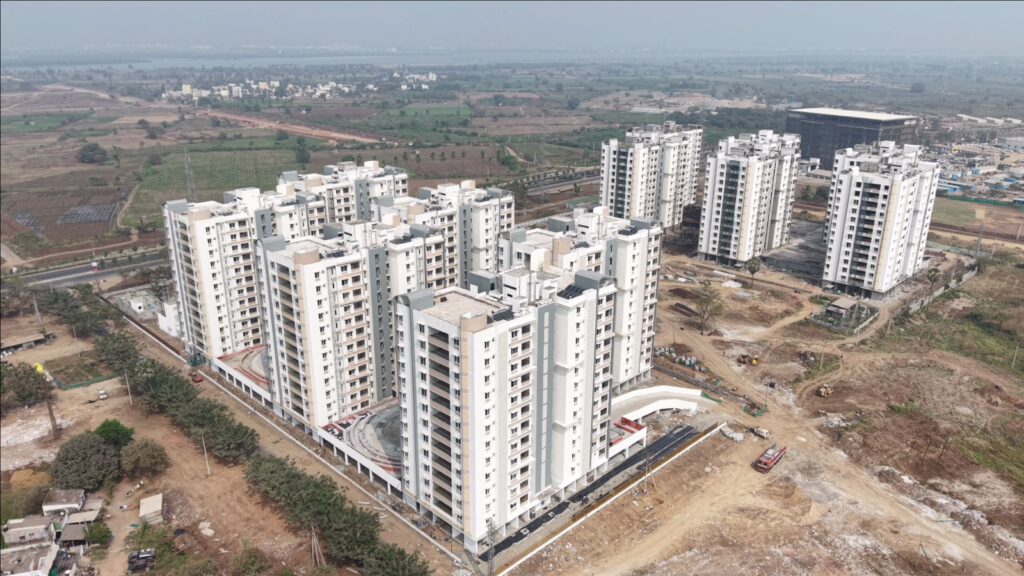
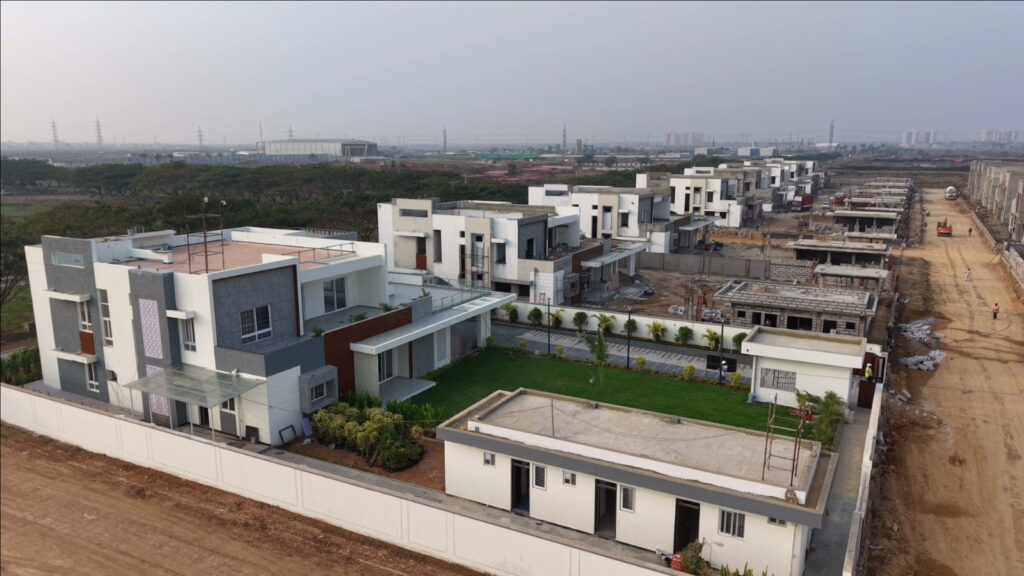
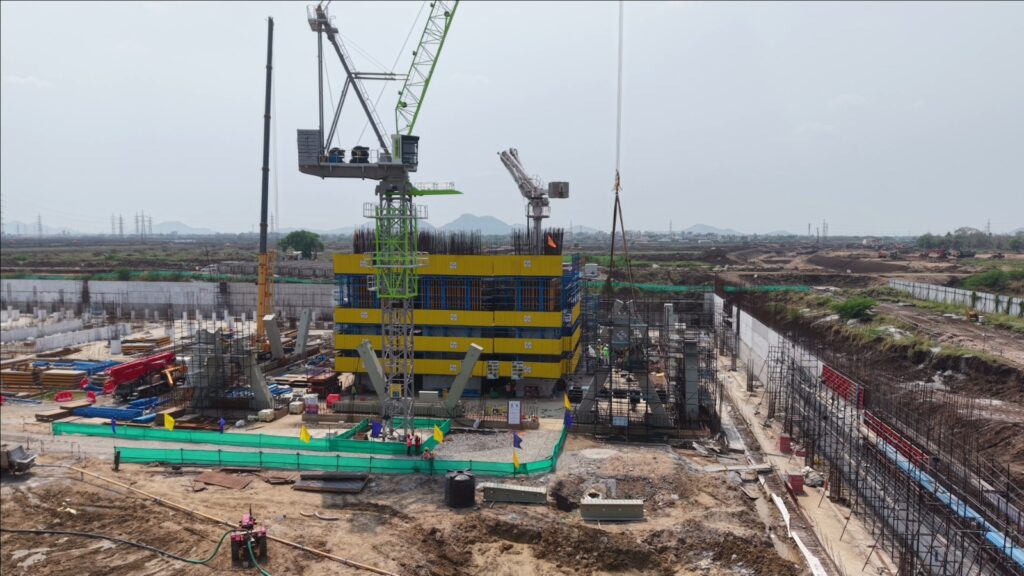

For a project of Amaravati’s scale and significance, narrative is not about promotion; it is about alignment. It connects policy intent with public understanding, investor expectations with on-ground realities, and long-term vision with short-term progress. Without this alignment, even the most well-planned infrastructure risks being misunderstood or undervalued.
Globally, successful capital city projects—from Brasília to Singapore’s urban transformation—have demonstrated that consistent, transparent communication plays a defining role in sustaining momentum. These cities were not built in isolation; they were continuously explained, contextualized, and reinforced through credible storytelling.
In Amaravati’s case, the need for a structured communication approach is even more pronounced. The project operates within a complex ecosystem of stakeholders—government agencies, investors, local communities, and a digitally active public. Each of these groups engages with the project differently, consuming information through varied channels, from traditional media to emerging digital platforms like YouTube.
This shift in the information landscape presents both a challenge and an opportunity. On one hand, fragmented narratives can quickly amplify uncertainty. On the other, strategic engagement across platforms can build a more nuanced and credible understanding of the project’s progress and potential.
A strong narrative for Amaravati must therefore be anchored in three principles.
First, consistency. Communication should not fluctuate with milestones or setbacks; it must provide a steady, reliable account of progress.
Second, transparency. Acknowledging challenges alongside achievements builds trust, particularly in long-gestation projects.
Third, accessibility. Information must reach stakeholders in formats and platforms they actively engage with, whether through mainstream media, digital content, or influencer ecosystems.
Ultimately, the success of Amaravati will depend on more than physical infrastructure. It will hinge on whether the project can sustain confidence over time—among investors evaluating long-term opportunities, citizens seeking clarity, and institutions shaping policy continuity.
In this context, narrative is not a parallel track to development; it is a foundational layer that supports it. As Amaravati moves forward, its ability to tell a coherent, credible, and forward-looking story may well determine whether it is seen as a stalled ambition or a capital city in the making.
About the Author
Ruchi Kumari is a communications strategist with over a decade of experience at the intersection of media, marketing, and public policy. She has led high-impact campaigns for government and corporate clients, focusing on visibility, credibility, and influence. She is currently working on a project with APCRDA, driving communication strategy for Amaravati, Andhra Pradesh’s capital city project.
Her experience includes leading communications mandates at Dentsu and working with KPMG and PwC, advising government and corporate clients on integrated media strategy, policy communication, and large-scale campaigns.
For more such info :
Visit Our Home page
Watch Amaravati’s Future Unfold on InfraTalks YouTube Channel