
December 17, 2025
New Delhi–
“Less commute, cleaner air — Delhi turns to work from home.”
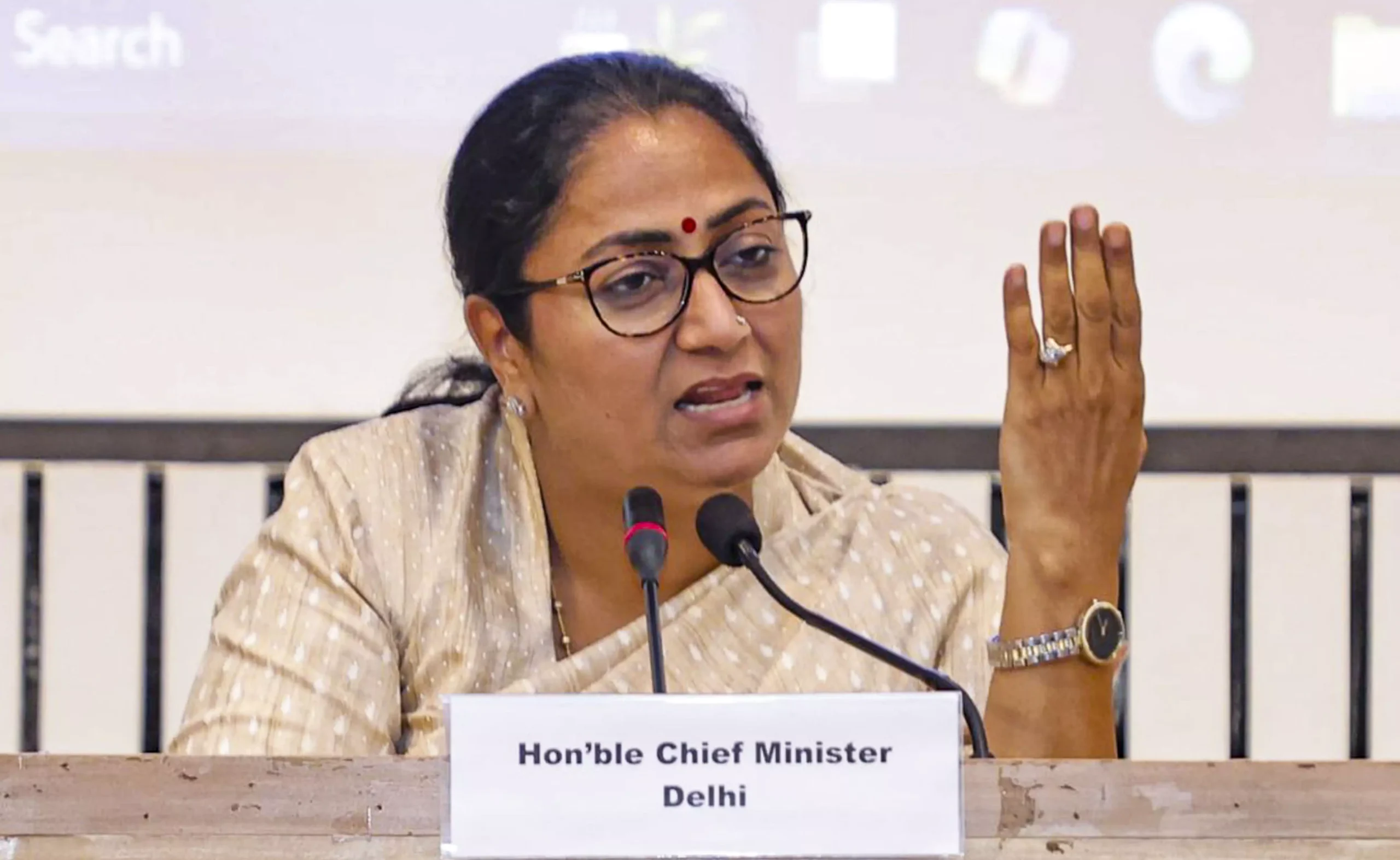
The government of Delhi, headed by Chief Minister Rekha Gupta, has issued a significant directive mandating that both public and private workplaces operate with 50% of their staff working remotely starting December 18, 2025. This bold action comes as the city confronts alarmingly high levels of air pollution, with the Air Quality Index (AQI) remaining in the ‘severe’ range for numerous days.
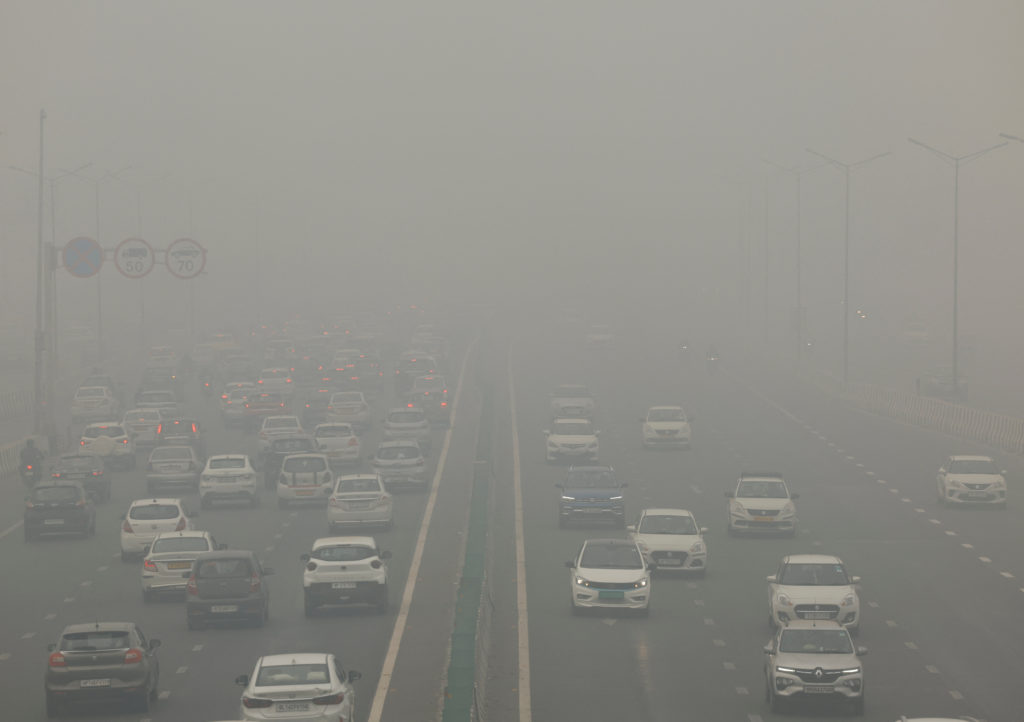
According to the Graded Response Action Plan (GRAP) — a series of emergency actions activated during severe smog conditions — the government has limited office occupancy to half capacity in order to decrease traffic on the roads and reduce emissions from daily commutes.
The Minister also declared a compensation of ₹10,000 for construction workers who have lost their jobs as a result of the pollution-control measures implemented under GRAP III and GRAP IV.
Main Highlights of the Order
50% Workforce in Office: All government and private establishments in Delhi must ensure that only half of their employees are physically present at work. The rest will work from home till the air quality improves.
Mandatory Compliance: This is not a suggestion, but a mandatory mandate under pollution control regulations, and organisations that do not implement it may face consequences.
Offices are also encouraged to use flexible or staggered work hours to help reduce rush-hour congestion.
Hospitals, public transit, emergency services, energy, water supply, sanitation, and other important sectors are exempt from the shutdown.
Why Was This Order Issued ?
Delhi’s air quality has deteriorated fast as a result of stubble burning in neighboring states, automobile emissions, and adverse weather conditions that trap pollutants near the ground. As AQI levels continuously rose into the severe range, officials opted to restrict travel and reduce pollution sources.
Reducing the number of commuters on Delhi’s roads is projected to lower nitrogen dioxide and particle emissions, which are major contributors to the city’s poisonous smog.
Supporting Measures Alongside WFH
In addition to the work-from-home order, the government has:
- Restricted vintage vehicles that do not fulfill emission requirements.
- Most construction activities have been temporarily suspended.
- Registered construction workers affected by the stoppage would receive ₹10,000 compensation.
What It Means to Workers and Employers
Employees will now divide their workweek between the office and the home, reducing unnecessary travel and exposure to dangerous air. Employers are expected to adjust fast, whether through remote technological solutions, explicit rota schedules, or revised attendance requirements.
Authorities have stated that the work-from-home policy will be in effect as long as air quality levels remain severe. This is one of the most significant applications of the GRAP framework to protect public health in recent years, indicating a more proactive response to environmental emergencies.
“Authorities say the measure will continue until pollution levels show improvement.”
For more content and updates, visit our YouTube channel:
InfraTalks
To read more such interesting articles
visit our Homepage